
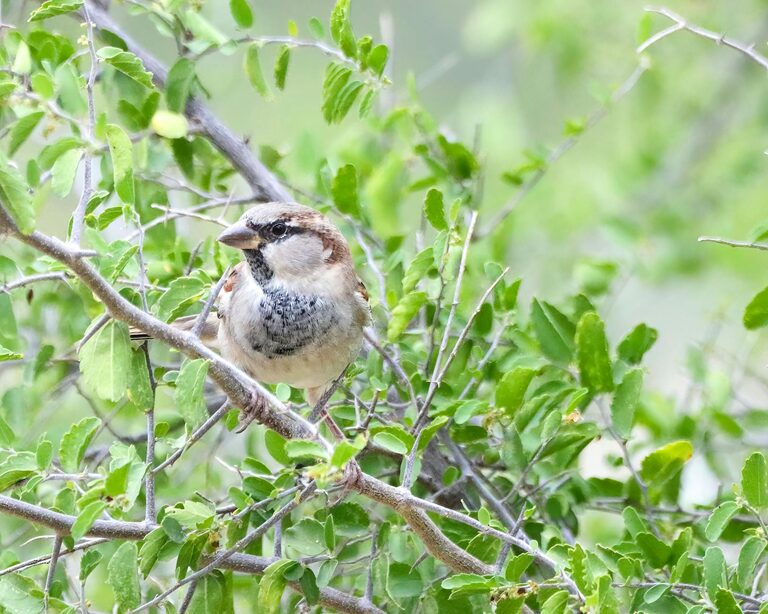
Birdwatching is a wonderful way to connect with nature without leaving the comfort of your own backyard. Whether you’re interested in identifying colorful birds or simply enjoy their songs, birdwatching can be a relaxing and rewarding hobby. If you’re new to this pastime, these beginner tips will help you get started and make the most of your birdwatching experience.
Why Backyard Birdwatching?
Birdwatching in your backyard offers several advantages. You don’t need to travel far or invest in costly equipment. It’s an opportunity to learn about local wildlife, bring a sense of calm to your day, and even contribute to citizen science by reporting sightings.
Getting Ready: What You Need to Start
Basic Equipment
You don’t need much to start birdwatching, but a few items can enhance your experience:
– Binoculars: A compact, lightweight pair with moderate magnification (6x to 8x) is ideal for beginners.
– Field Guide or App: Use a bird identification book or a smartphone app to help you recognize species.
– Notebook and Pen: Jotting down observations can be fun and informative.
– Camera or Smartphone: Capture photos to study later or share with friends.
Setting Up Your Space
Birds are attracted to food, water, and shelter. You can make your backyard more inviting with:
– Bird Feeders: Different birds prefer different seeds. Start with mixed seed or black oil sunflower seeds.
– Bird Bath: Fresh water encourages birds to visit and drink.
– Native Plants: Shrubs, trees, and flowers provide natural food and cover.
Tips for Successful Birdwatching
Observe Quietly and Patiently
Birds can be easily startled. Sit quietly or observe from a window and avoid sudden movements.
Watch During Peak Times
Early morning and late afternoon are often the best times to see birds when they are most active.
Learn Local Species
Familiarize yourself with common birds in your area. This makes identification easier and more enjoyable.
Keep a Bird Journal
Recording the birds you see, including date, time, and behavior, helps track patterns and improves identification skills.
Common Backyard Birds to Look For
Here are some birds you might encounter, depending on your region:
– Northern Cardinal: Bright red color, easily recognized.
– American Robin: Known for their orange belly and melodic song.
– Blue Jay: Loud calls and striking blue feathers.
– House Finch: Small with red markings on the head and chest.
– Chickadee: Small, friendly birds with distinctive “chick-a-dee-dee” calls.
Ethical Birdwatching Practices
Being respectful to birds and their habitats is important:
– Avoid disturbing nests or birds at rest.
– Use feeders responsibly and keep them clean.
– Support native plants and avoid chemicals that harm wildlife.
– Respect private property boundaries when birdwatching.
Joining a Community
Connecting with other birdwatching enthusiasts can enhance your experience:
– Join local birdwatching or nature clubs.
– Participate in bird counts or citizen science projects.
– Share your sightings and photos online or in forums.
Final Thoughts
Backyard birdwatching is an accessible and enjoyable way to experience the beauty of nature daily. By preparing your space, practicing patience, and learning about local birds, you can turn your backyard into a lively, feathered classroom. Happy birdwatching!