
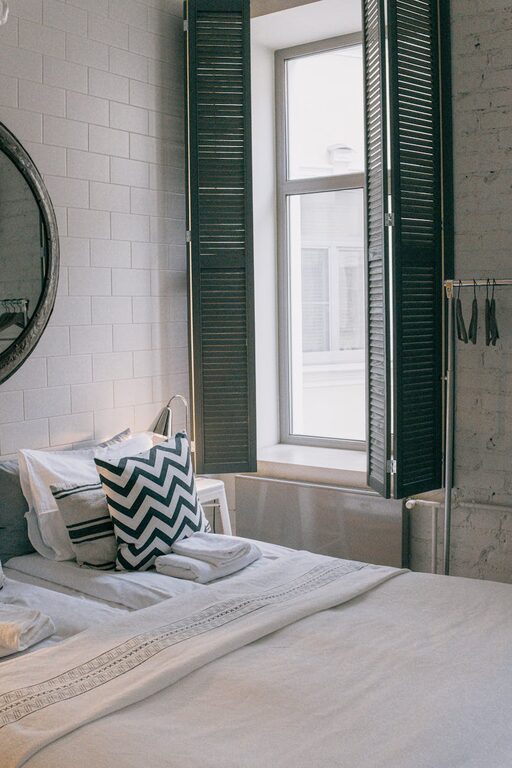
A dark room can feel cramped, gloomy, and uninviting. Whether it’s a small bedroom, a windowless bathroom, or a living area overshadowed by heavy curtains or dark walls, adding brightness can dramatically improve the space’s feel. Fortunately, you don’t need major renovations or bright daylight to bring light into your room. This post explores quick and budget-friendly ideas to brighten any dark room, making it more welcoming and cheerful.
Understand Why the Room Feels Dark
Before starting to brighten the space, take a moment to understand what contributes to the room’s darkness. Common causes include:
– Lack of natural light or windows
– Small or blocked window openings
– Dark wall colors or flooring
– Heavy curtains or blinds
– Insufficient or outdated artificial lighting
Knowing what makes your room dark helps you target the right solutions.
Use Light Colors on Walls and Ceilings
One of the most effective ways to brighten a room is by painting walls and ceilings in light, reflective colors. Light hues bounce natural and artificial light around the room more efficiently than dark colors.
Best Colors to Choose
– Soft whites or off-whites
– Pale creams and beiges
– Light pastels like blush pink, soft blue, or mint green
– Light grays with warm undertones
If you love bold colors, consider using them as accents instead of painting all walls dark.
Maximize Natural Light
Natural light is the best way to brighten any space naturally. Here’s how to get the most out of it:
– Keep windows clean — dirt and grime reduce light transmission.
– Use sheer or light-colored curtains instead of heavy drapes. These allow sunlight in while maintaining privacy.
– Add mirrors opposite windows or in spots where they reflect sunlight deeper into the room.
– Trim outdoor plants or trees blocking window light if possible.
Add Functional Artificial Lighting
A room without enough light fixtures can feel gloomy even during the day. Layer different types of lighting for balanced brightness:
Ambient Lighting
This is the room’s main light source, usually a ceiling fixture. Replace dim bulbs with LEDs that produce bright, warm white light. Installing a larger fixture or additional recessed lighting can also help.
Task Lighting
Use table lamps or floor lamps near reading spots, desks, or work areas. Adjustable lamps provide focused light where you need it.
Accent Lighting
Highlight art, plants, or architectural features with spotlights or LED strip lights. This adds depth and interest to the room.
Use Reflective and Light-Enhancing Décor
Adding reflective surfaces and bright elements boosts room brightness visually:
– Mirrors: As mentioned, mirrors increase light reflection and create an illusion of more space. Large wall mirrors or decorative mirror pieces work well.
– Glass and metallic accessories: Items like glass vases, shiny photo frames, or metal furniture legs catch and bounce light.
– Light-colored furniture: Instead of dark woods, choose white, cream, or light gray furniture to reflect more light.
– Rugs and textiles: Use light-colored or patterned rugs and cushions to brighten floor and seating areas.
Declutter and Organize
A cluttered room traps light and feels darker. To enhance brightness:
– Keep surfaces clear and tidy
– Use storage solutions to hide items out of sight
– Arrange furniture to allow light to flow freely through the space
Decluttering also makes rooms feel larger and airier.
Incorporate Plants and Natural Elements
Plants add a fresh, lively feel to a room and can brighten dark spaces with their natural green hues. Choose smaller potted plants for shelves or larger floor plants near windows and lamps.
Natural wood, stones, or woven baskets in light tones can soften dark corners and add warmth without making the room feel heavy.
Consider Window Treatments with Light Control
If privacy is a concern but you want more light, opt for window coverings that let light in but block views:
– Sheer roller blinds
– Top-down, bottom-up shades that open partially from the top
– Light-filtering curtains in pale colors
These options improve light flow while preserving privacy.
Use Smart Lighting Solutions
Modern smart bulbs allow you to adjust brightness and color temperature with ease:
– Choose bulbs with adjustable warmth from cool to warm white
– Use timers or motion sensors to ensure lights are on when needed without waste
– Experiment with daylight-simulating bulbs that mimic natural light, which can uplift a gloomy space
Small Layout Adjustments
Some minor moves can help:
– Position seating or desks closer to windows to take advantage of natural light
– Avoid blocking windows with large furniture
– Use low-profile pieces to keep sightlines open
Final Thoughts
Brightening a dark room doesn’t have to be a big project. With a combination of lighter colors, increased light sources, strategic décor, and thoughtful layout changes, you can create a cheerful and inviting atmosphere in any space.
Start with small changes like swapping curtains or adding a mirror, and build up from there. Your room will soon feel lighter, larger, and a more enjoyable place to be!